
Q4 Tax Planning: What Needs To Happen, And When?
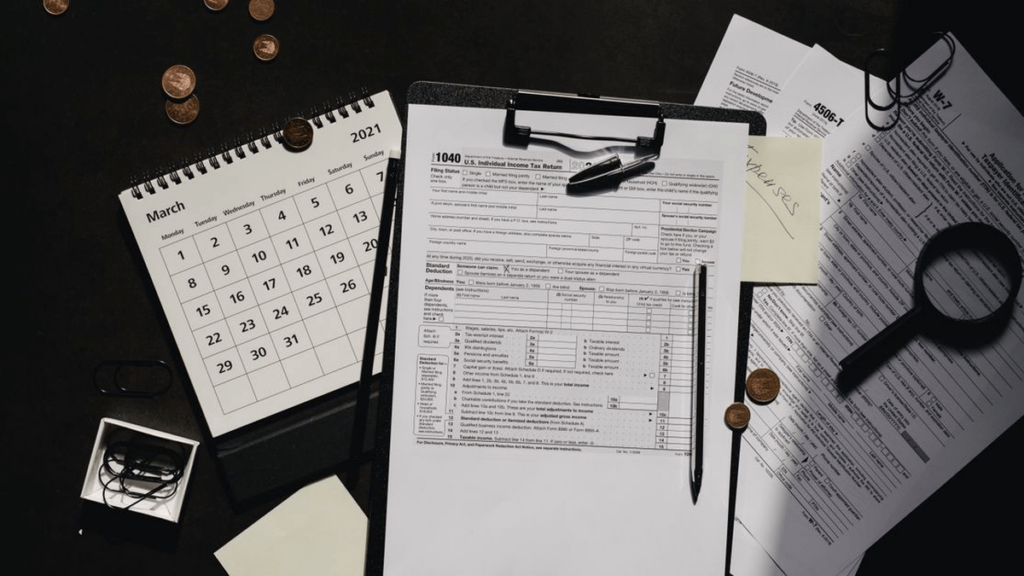
Q4 tax planning is not a single deadline; it’s a series of decisions that each have their own timing. Some strategies require lead time to execute, others depend on an updated year-end forecast, and some work can legitimately carry into the new year. Knowing which category each decision falls into is what separates effective fourth quarter planning from a last-minute scramble in December.
Divorce And Your Tax Return: What The Settlement May Not Resolve

A divorce settlement divides assets and establishes legal rights, but it does not resolve every tax question that follows. Filing status, child-related benefits, property basis, retirement transfers, and prior joint return liability all require a separate tax review. Understanding where the settlement ends and tax law begins can help you avoid costly surprises after the divorce is final.
The IRS Has A New Mobile App. Here’s What Taxpayers Can Do With It.

The IRS has launched a new mobile app that replaces IRS2Go, giving taxpayers quick access to refund status, payment history, tax records, IRS notices, and Identity Protection PINs. This article walks through what the app can do and how to use it safely. If something in your IRS account raises questions, a tax professional can help you make sense of it.
How a CPA in Chattanooga Can Help You Plan Smarter

Discover how a CPA in Chattanooga can help you plan smarter with year-round forecasting, tax planning, retirement planning, and business advisory.
A Financial Guide For Heirs Navigating Inherited Assets

Inheriting assets involves complex tax rules and time-sensitive decisions that can impact your financial outcome. This guide covers what heirs need to know about real estate, retirement accounts, and other inherited assets.
What to Look for in the Best Accountant for Your Small Business

Discover what to look for in a high-quality accountant, including accountants who provide business structure advice and ongoing assistance throughout the year.
Cash Flow Forecasting As A Leadership Tool

Most business owners rely on backward-looking financials that tell them where they have been, not where they are going. A cash flow forecast fills that gap by projecting future inflows and outflows, helping leaders spot problems early and make smarter decisions about hiring, investing, and financing. Updated consistently and tied to real business decisions, it shifts leadership from reactive to proactive.
Construction Accounting That Reveals Problems Early

Construction businesses can stay profitable on paper while margin quietly slips away on individual jobs. This article explains how job costing, change-order management, and work-in-progress reporting work together to surface problems early. Learn what to look for in each system and how to keep all three telling the same story before issues become year-end surprises.
Is Your Business Ready for a Strong Finish?

With just a few months left in the year, now’s the time for Chattanooga business owners to plan ahead. Here’s what to prioritize before year-end.
2026 Midyear Tax Review: Identify Overlooked Deductions Before Busy Season.
Most people don’t think about taxes until April but the deductions that actually move the needle get decided months earlier. Here’s what to catch now before the year closes out and your options close with it.